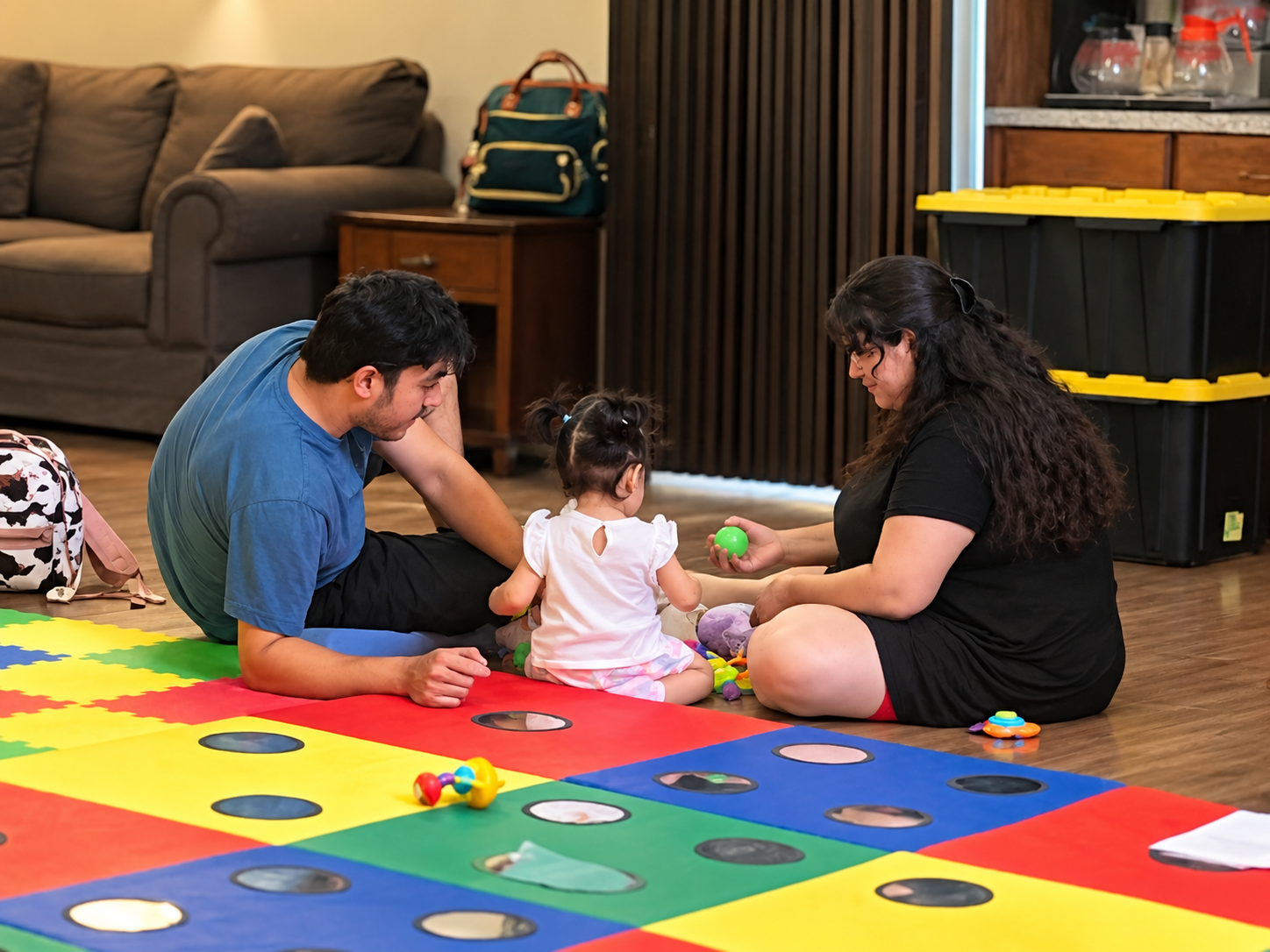
Start with safety and fewer words
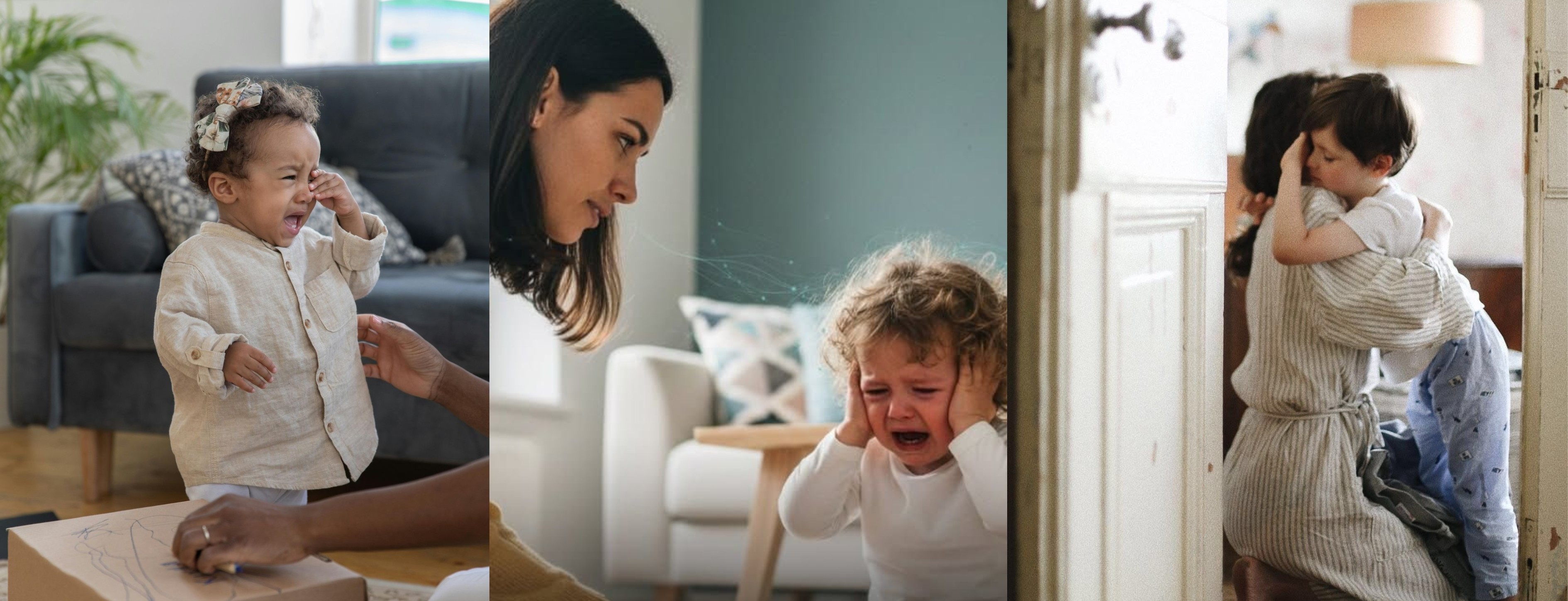
Move breakable objects away and help your child get to a safe spot if needed. Take a breath and lower your voice. A long explanation can wait.
Try: “You wanted the green cup. You’re upset.” If your child hits, calmly block the hit or move out of reach: “I won’t let you hit.” Stay nearby and keep everyone safe.
Keep the limit simple
You can acknowledge a feeling and still follow through. “You want to keep playing. It’s time to leave.” Your child may still cry. That does not mean you need a new explanation every few seconds.
When your child can respond, offer two choices you can accept: “Do you want to walk with me or be carried?” For younger toddlers, use a few words and gestures.
Save the teaching for a calmer moment
Once the storm passes, reconnect. You might offer a hug if your child wants one. Then practice a short phrase such as “Help, please” or show a gesture they can use next time.
Notice small successes later: “You asked me for help with your shoe.” The American Academy of Pediatrics recommends specific praise and small choices as useful tantrum tools.
Look for the pattern
For a few days, notice when meltdowns happen. Right before lunch? At the end of an outing? When a favorite activity stops? Hunger and tiredness can make frustration harder to manage.
Try one adjustment, such as an earlier meal or a brief warning before leaving. Keep the plan small enough to repeat.
You deserve support, too
If aggression causes injuries, you worry about anyone’s safety, or the outbursts feel unmanageable, talk with your child’s pediatrician. AAP’s guidance on aggressive behavior explains when to ask for help.
For everyday parenting questions, connect with Latched Support’s Parenting Program. And save this reminder for the next cup crisis: safety first, a calm voice, and one clear next step.