Different people bring different kinds of support
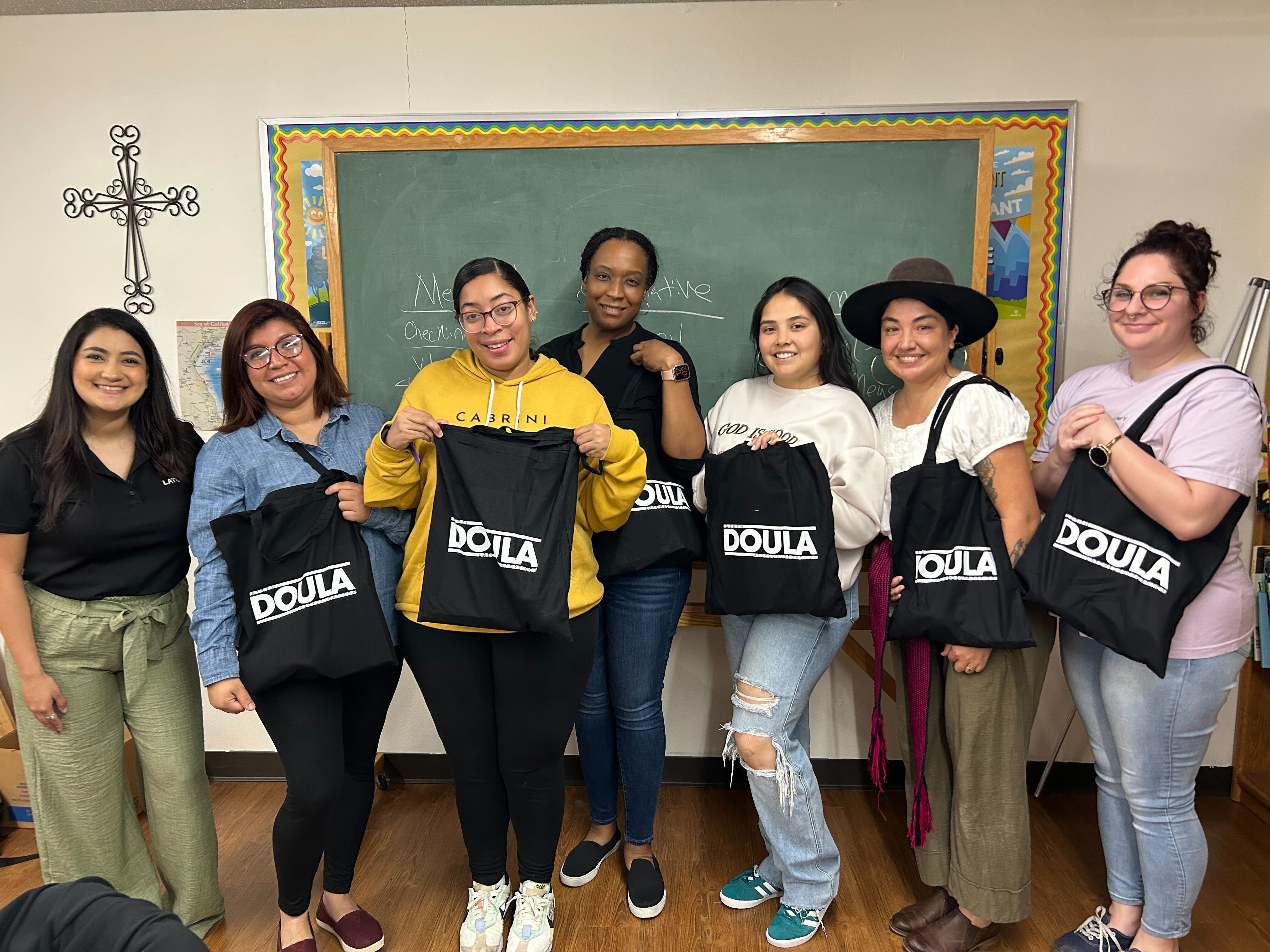
The people close to you know your personality, your worries, and what makes you feel at home. A doula brings training in emotional, physical, and informational support during pregnancy and birth.
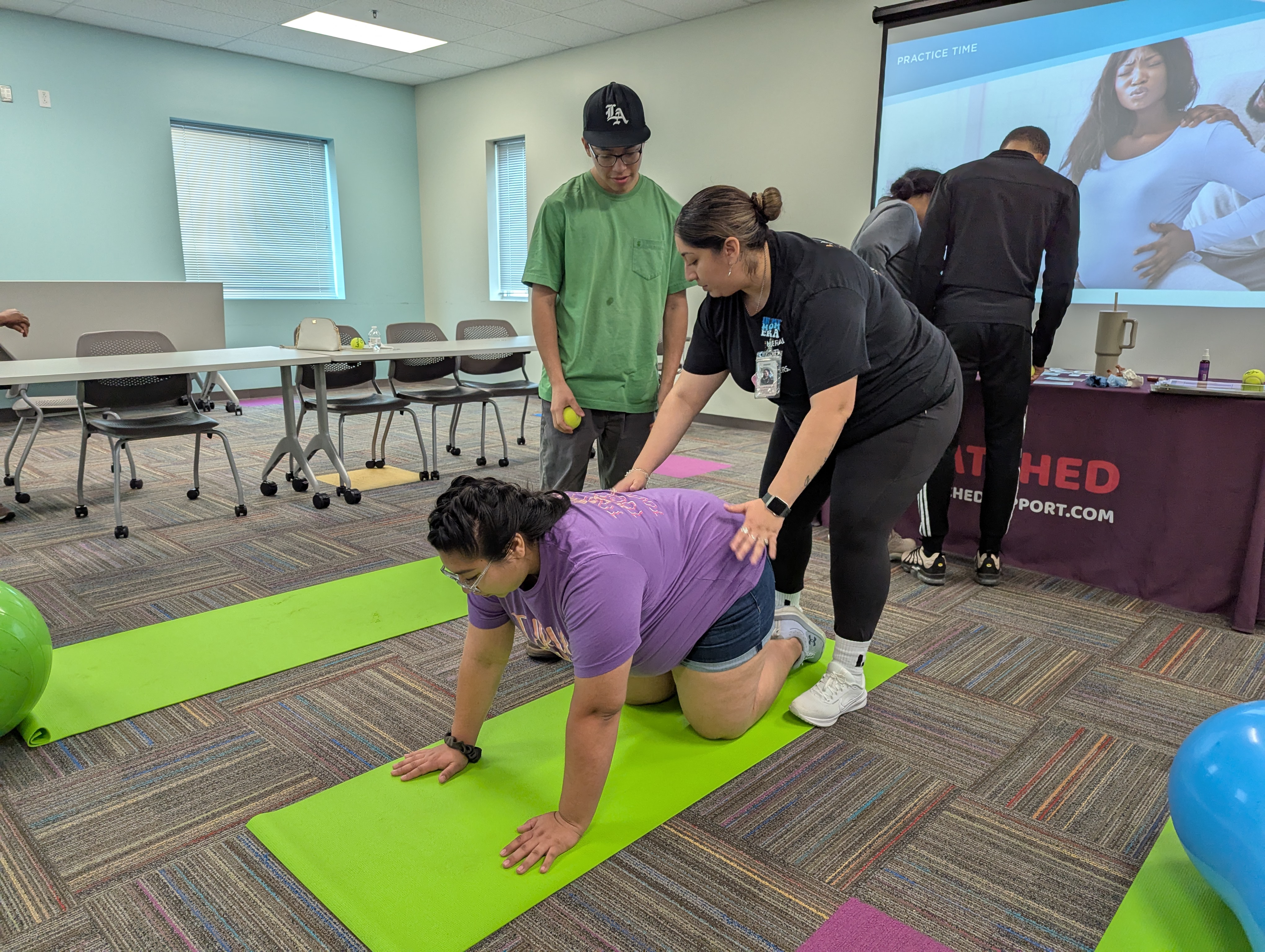
That can include helping you prepare questions, offering comfort techniques during labor, and helping you communicate your preferences. A doula does not provide medical care or take the place of your doctor, midwife, or nurses. ACOG explains how doulas work alongside a birth team.
Your support person can be part of the plan
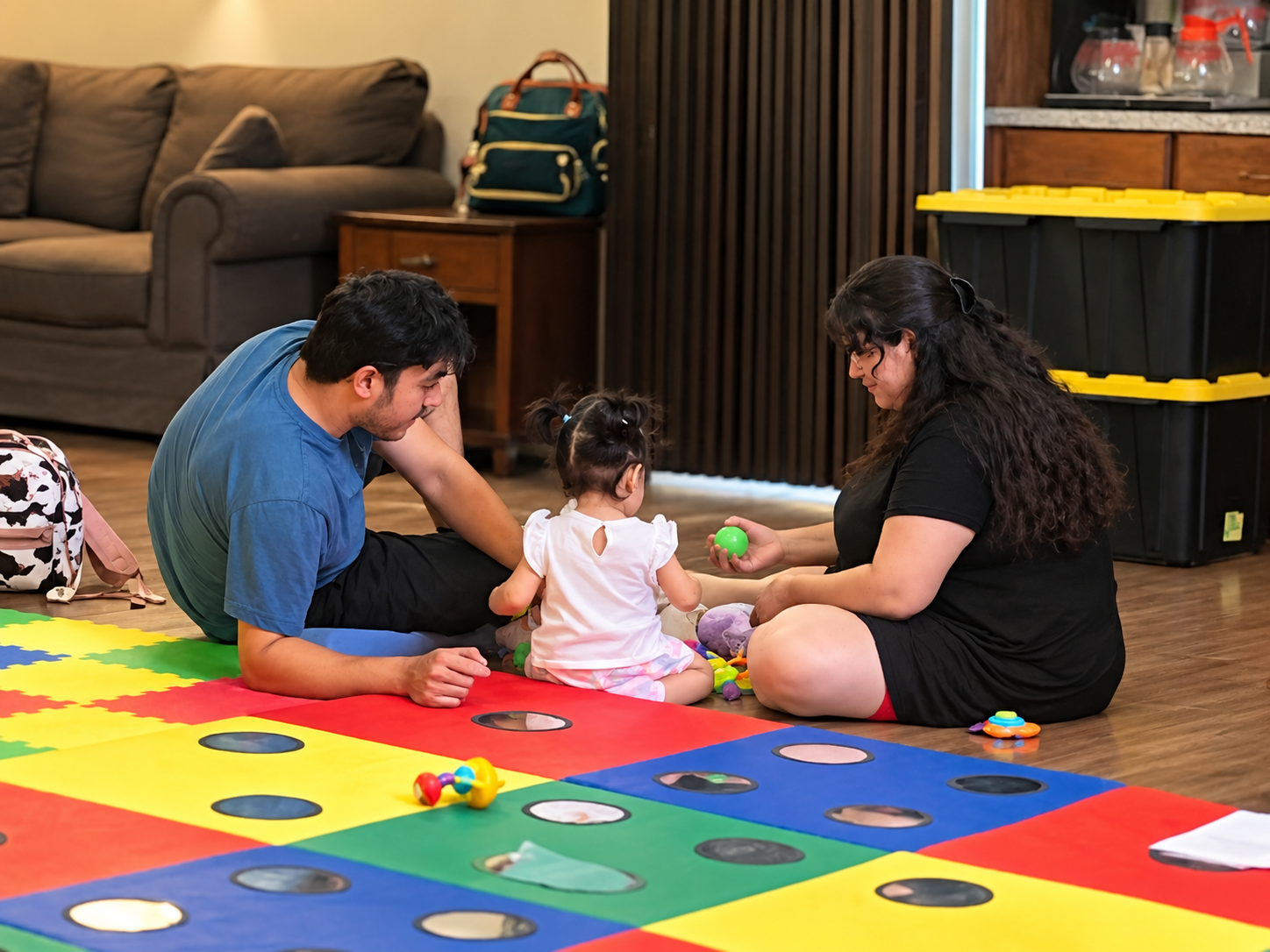
A loved one may want to help but feel unsure what to do. You can ask a doula how they would include that person and help everyone work together.
Before birth, talk about simple preferences: Who helps you feel calm? Do you like quiet encouragement or conversation? Who can help keep family members updated? There is room to make the plan feel like you.
You get to ask questions before deciding
A first conversation is a chance to learn whether the support feels right. Consider asking:
- What support do you offer before, during, and after birth?
- How would you include my partner, relative, or friend?
- How do you support my preferences if my birth plan changes?
- What are the costs or eligibility requirements, and is there availability around my due date?
Also ask your hospital or birth center about its current support-person policy. Knowing the arrangements ahead of time helps everyone prepare.
Start with the kind of help you want
Finish this sentence: “I would feel more prepared if I had help with __.” Your answer might be understanding what to expect, speaking up with questions, or helping your partner feel ready.
At Latched Support, our Community-Based Doula Program offers pregnancy and childbirth education and personalized support. Call 210-504-8015 to ask about the program, eligibility, and current availability. You can begin with a conversation.